Cats do not scratch to get back at people. It is normal behaviour linked with marking territory, claw care and stretching. You cannot ban it completely without affecting a cat’s wellbeing, but you can make desired surfaces more convenient and furniture less appealing for scratching.
Start by noticing where and how your cat likes to scratch. One sturdy vertical post may not be enough if your cat chooses a rug or the side of a sofa. Watching their preferences helps you find an alternative they will actually use.

Choose a scratching surface that suits your cat
For a cat who scratches while standing, choose a tall, stable surface. If your cat prefers carpets, try a horizontal board or mat. Material and direction matter: some cats prefer wood, others fabric or sisal. If your cat likes to stretch and scratch after sleep, place a post near their resting place.
If your cat has already chosen a sofa corner, put a suitable scratching surface beside it for now. After your cat starts using it, you can move it slowly to a less intrusive spot. In a multi-cat home, provide posts in different locations so each cat can reach one easily.
- Choose vertical, horizontal or angled surfaces based on what you observe.
- Check that the post does not wobble or fall under pressure.
- Place the alternative next to the area your cat already scratches.
Reward their choice and protect furniture
Calmly praise your cat or offer a small reward when they use the post. Do not carry them to it or move their paws: being forced can make the new spot frightening. You can play briefly nearby if your cat is interested.
Cover the chosen area of furniture with a suitable protector while your cat learns to use the alternative. Keep the route to the post easy to reach. A used scratching surface does not need to look new; familiar scent and marks may be part of its appeal to your cat.
Avoid punishment and quick conclusions
Shouting, spraying water or startling a cat links the unpleasant experience with you; it does not explain where scratching is allowed. If scratching increases after changes at home, the arrival of another cat or signs of tension, consider the environment and seek professional advice if needed. If familiar behaviour changes unexpectedly, speak with a vet.
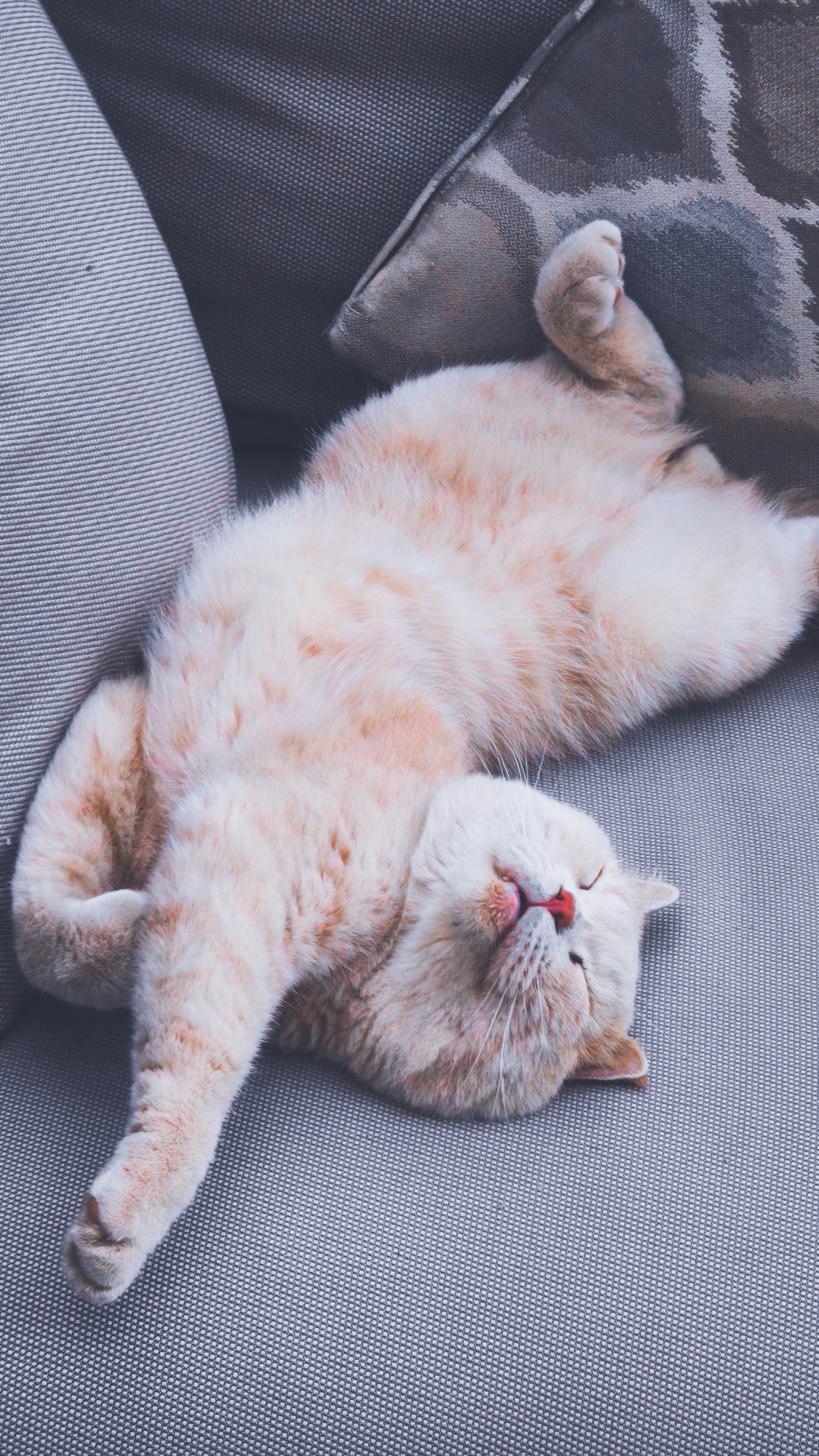
SMALL STEPS OF CARE
What you can do
- Notice your cat’s preferred places, materials and scratching direction.
- Place a stable suitable post beside the chosen area.
- Reward independent use without moving your cat’s paws.
- Protect furniture safely while the new habit develops.
- Discuss a sudden behaviour change with a professional.
What to avoid
- Shouting, spraying water or frightening a cat for scratching.
- Buying one wobbly post without considering your cat’s preferences.
- Pulling a cat’s paws to the post or preventing them from leaving.
CHECKING IS CARING
Sources and further reading
Sources checked November 2, 2026. The editorial team prepared this guide from public recommendations; it has not received individual veterinary review.
How we prepare our guides →Every cat has their own pace. Your attention makes a difference.
← Back to the guides