Purring often accompanies relaxed rest or pleasant contact, but it does not by itself prove that a cat is happy. Cats may also purr to seek attention, when highly aroused or in an unfamiliar situation. The sound makes more sense when you consider posture, surroundings and what happened before and after it.
Domestic cats often meow to people: many learn that it is an effective way to get our attention. Each cat has their own ‘vocabulary’, though. A brief greeting, a persistent call and an unhappy growl cannot be reliably decoded without knowing that individual cat.
Read the voice and body together
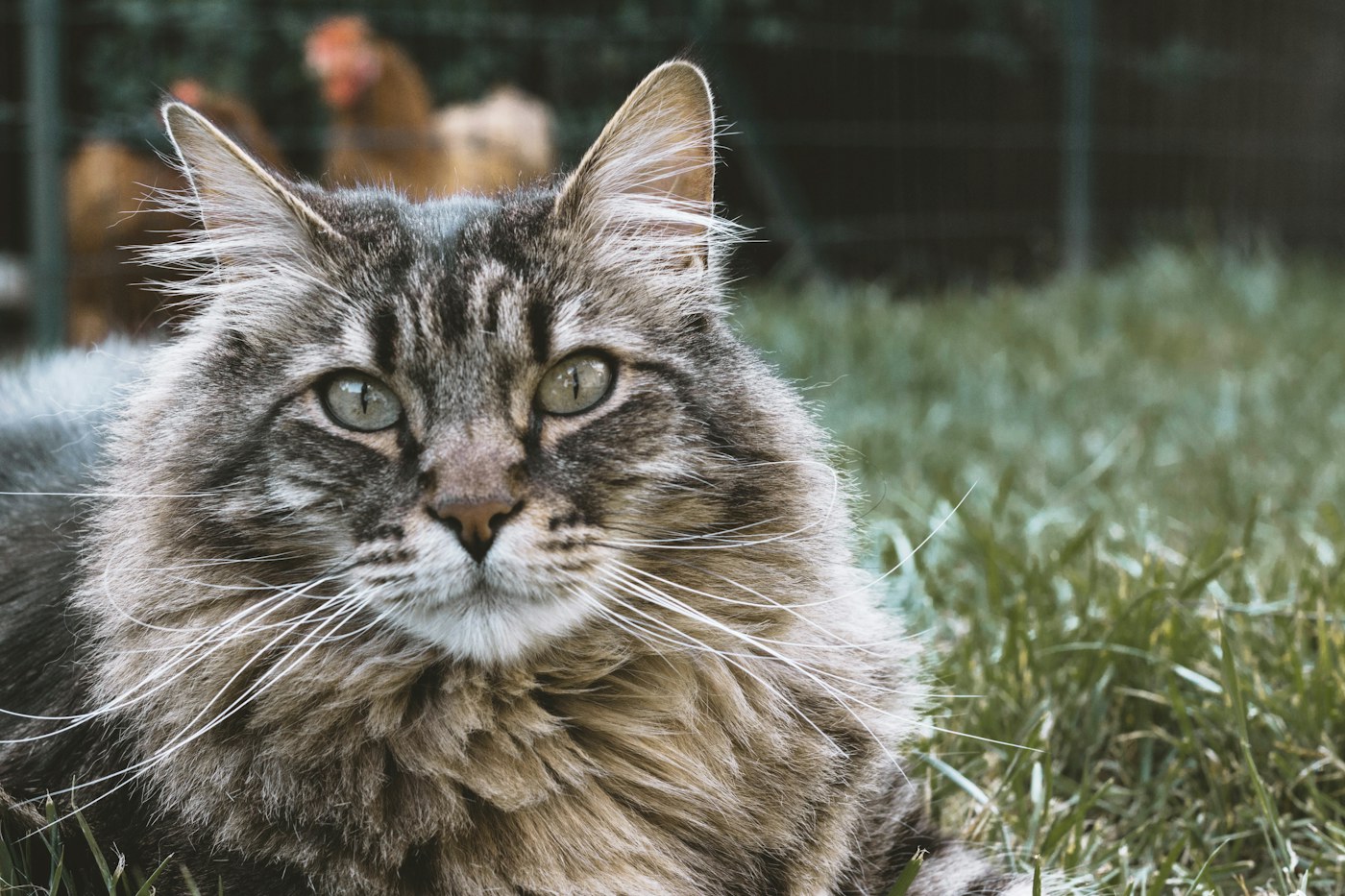
If a cat purrs with relaxed ears and whiskers, a soft posture and calm eyes, they may be comfortable. If their body is tense, ears turned back, eyes wide, or they are trying to hide or move away, purring is not a reason to keep touching them. Context matters especially at a veterinary clinic or around loud noise.
Volume is not a happiness scale either. Frequent or unusual meowing may coincide with expecting food, looking for a person, a change in routine or mating behaviour in an unneutered cat. A sound alone cannot establish the reason.
- Notice the time, place, posture and what the cat does around the sound.
- Respond calmly and predictably; do not raise your voice.
- If your cat calls for you, check that familiar resources are accessible.
Different sounds, different situations
Quiet trills and short ‘mrr’ sounds are often friendly greetings or are used between a mother and kittens. Hissing, growling and loud cries can warn of a threat, fear or conflict. Give the cat more space and remove the source of conflict if it is safe to do so. Do not shout back or try to pick the cat up.
Cats often communicate with one another through posture and scent marks rather than meowing. Some sounds may be directed specifically at people, who have learned to respond. Observe your cat for a few days: short notes can help you recognise sounds associated with play, greeting or anticipation.
If the way your cat vocalises changes suddenly or comes with other unusual behaviour, tell a vet. This does not diagnose a problem at home, but helps you avoid dismissing a new behaviour as a ‘fuss’.
Respond in a way that leaves a choice
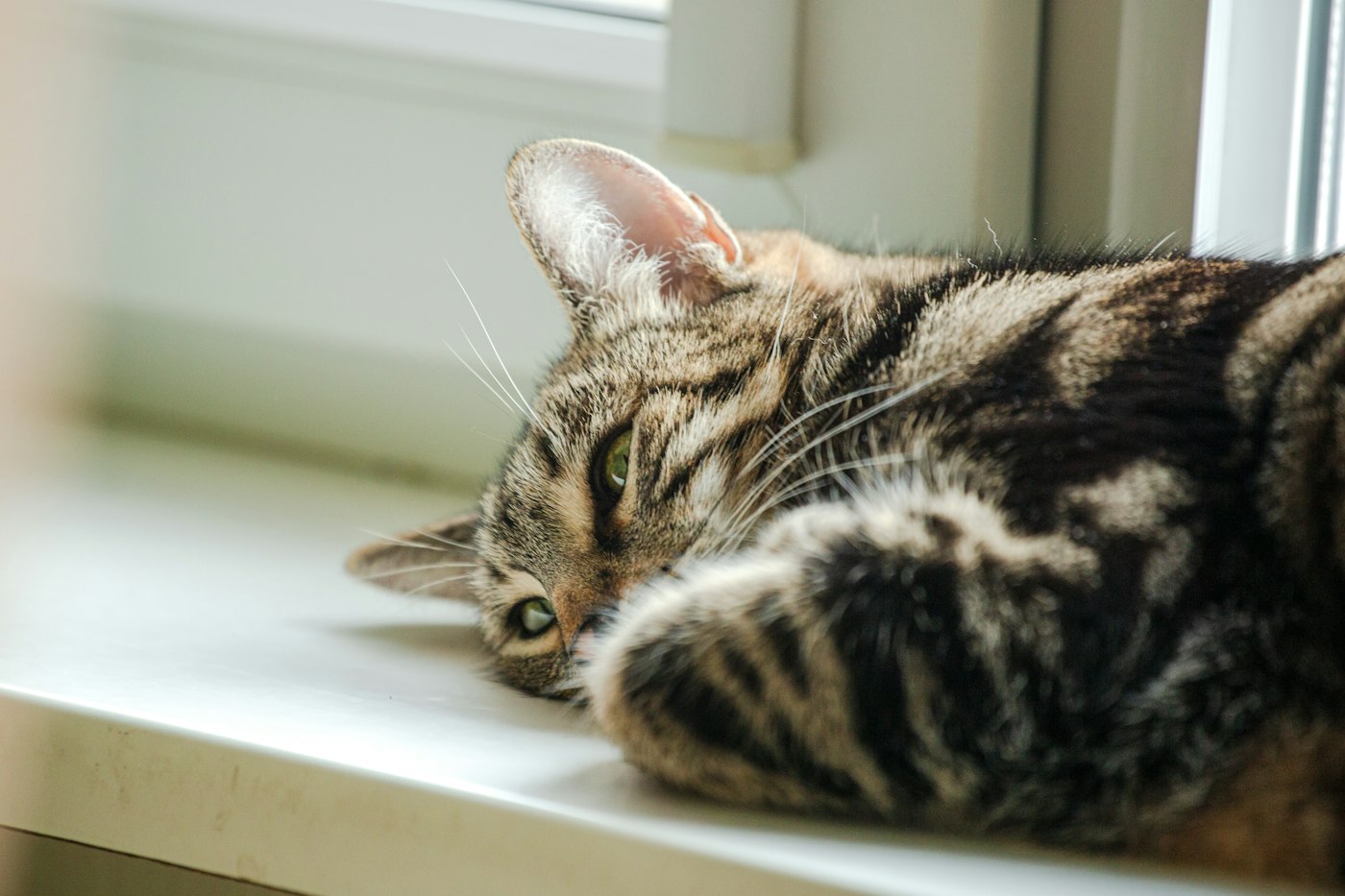
If your cat approaches and purrs, offer brief petting only if their body is relaxed, then pause. If they only meow, calmly consider what they may be asking for without pushing physical contact. Letting the cat end the interaction supports trust better than trying to ‘calm’ them by holding them.
SMALL STEPS OF CARE
What you can do
- Listen to the sound and watch posture, ears, eyes and tail at the same time.
- Consider the setting and what happened before: play, feeding, noise or travel.
- If you hear warning sounds, step back and leave a route to a hiding place.
- Keep contact brief and stop if your cat moves away.
- Note a sudden change in voice and tell your vet.
What to avoid
- Assuming every purr means pleasure.
- Punishing meowing, hissing or growling instead of considering context.
- Judging a cat’s health from sound alone.
CHECKING IS CARING
Sources and further reading
Sources checked November 2, 2026. The editorial team prepared this guide from public recommendations; it has not received individual veterinary review.
- Why does my cat purr? — Cats Protection ↗
- How do cats communicate with each other? — Cats Protection ↗
Every cat has their own pace. Your attention makes a difference.
← Back to the guides