Cats respond differently to visitors, noise, new smells, changes at home and touch. What one cat accepts calmly may worry another. Hiding, trying to leave, a tense posture or less interest in familiar activities are reasons to look at the circumstances, not a diagnosis.
Help does not start by demanding that a cat ‘stop being afraid’; it starts by offering choices. A cat should be able to leave, hide or observe from a height without being pulled out for a cuddle. Respecting a refusal makes interactions more predictable and lets the relationship grow at the cat’s pace.

Make room for retreat
Provide a quiet hiding place that people and other animals will not invade, and a safe elevated spot if your cat can use one comfortably. In a multi-cat home, make sure one cat cannot block another’s access to water, food, the tray or a place to rest. Do not block the only way out of a hiding place.
A predictable routine for meals, cleaning and quiet play helps a cat know what to expect. During building work or when visitors arrive, provide a place away from the busiest area and keep familiar belongings accessible. Hiding is not a bad habit to ‘fix’; it gives a cat a chance to pause.
- Provide a calm hiding place with a clear route in and out.
- Arrange essential resources so cats can reach them without a confrontation.
- Keep familiar daily routines where possible.
Build trust in small steps
Do not reach over, chase or hold a cat to make them ‘get used to it’. Sit sideways, speak quietly and let them choose whether to approach. You can place a treat nearby without luring the cat into a spot where they must come close to a person. If they do not approach, calmly keeping your distance is still respectful interaction.
Short games with a suitable toy and calm company allow interaction without requiring touch. Not every cat enjoys hugs or long petting. Trust may show in a cat resting in the same room or starting a game on their own.
Watch for changes and ask for help
Behaviour can change for many reasons, so signs that look like stress do not reveal the cause. If your cat hides much more often, eats less or uses the litter tray differently, discuss the change with a vet first. For an ongoing behaviour concern, your vet may refer you to a qualified animal behaviour professional.
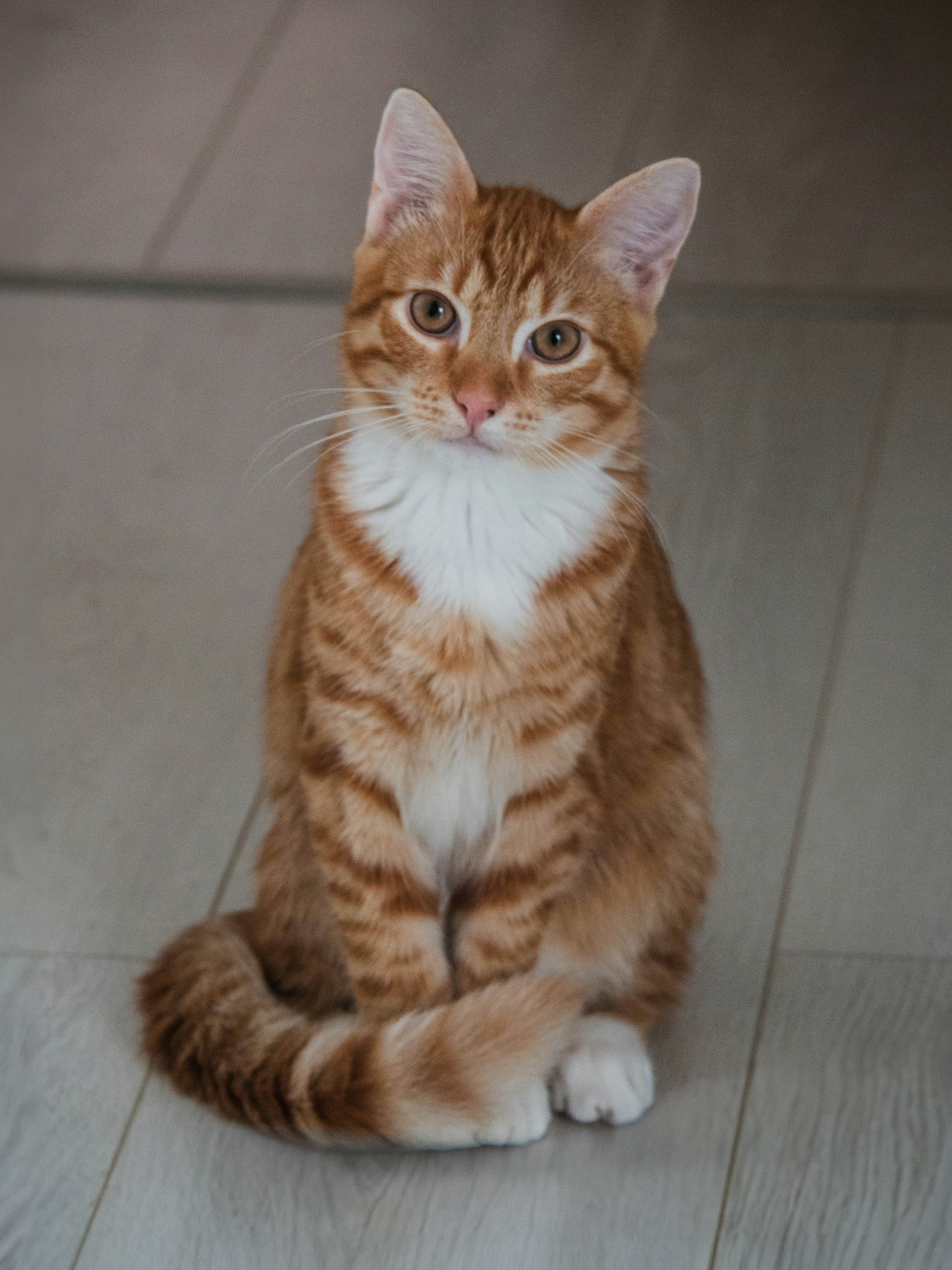
SMALL STEPS OF CARE
What you can do
- Notice what happens before your cat becomes tense or leaves.
- Keep a hiding place available with a clear exit.
- Maintain familiar routines and avoid unnecessary sudden changes.
- Offer a game or calm company without requiring contact.
- Contact a vet about persistent or sudden behaviour changes.
What to avoid
- Taking a cat out of a hiding place to ‘socialise’ or pet them.
- Treating fear, hissing or avoidance as stubbornness and punishing it.
- Diagnosing stress or pain from one sign.
CHECKING IS CARING
Sources and further reading
Sources checked November 2, 2026. The editorial team prepared this guide from public recommendations; it has not received individual veterinary review.
- Spotting Signs of Cat Stress — Cats Protection ↗
- Cat Friendly Homing Information Pack — International Cat Care ↗
Every cat has their own pace. Your attention makes a difference.
← Back to the guides