Pouncing on a hand or foot can be part of hunting-style play, especially if a cat has learned to chase fingers. This is not a reason to scold or frighten them: change how you play and offer a suitable toy instead.
If this behavior starts suddenly in an adult cat or increases noticeably, discuss it with a veterinarian.
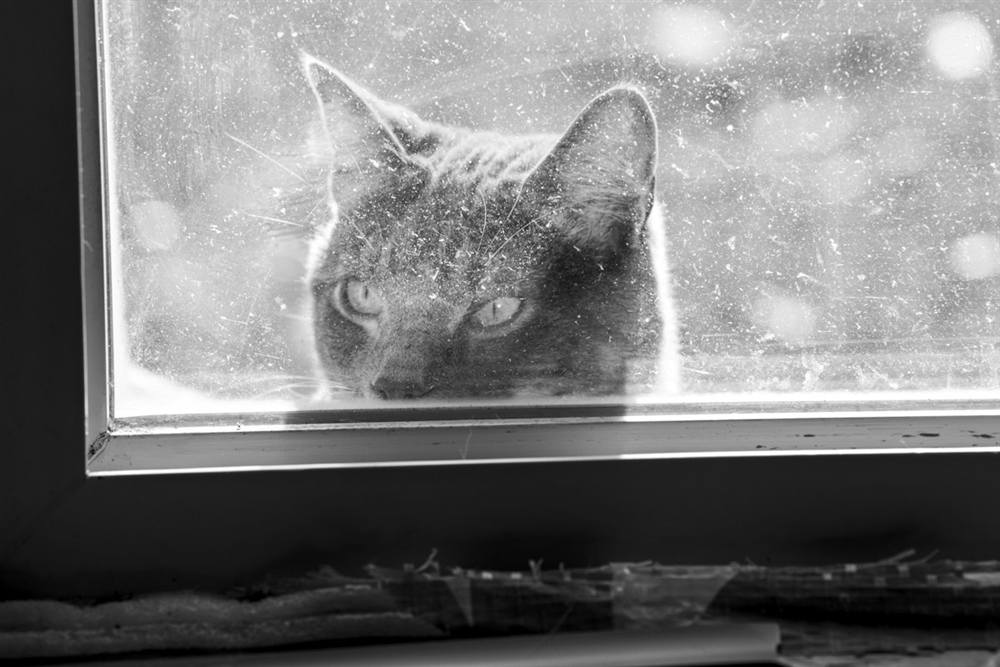
Keep hands out of the game
Do not wiggle fingers under blankets or wrestle with a kitten using your hands. Use a wand toy, ball, or kicker toy so there is distance between hands and the cat.
If your cat attacks a hand, stay calm and do not yank it away suddenly. Pause the interaction, let the cat move away, and offer a suitable toy later.
Offer play before your cat hunts a person
Plan several short play sessions during the day, especially when your cat is usually active. Move the toy so your cat can stalk, chase, and occasionally catch it.
Put away wands and long strings after play. Leave out only safe solo toys that your cat cannot break apart or swallow.
Distinguish play from other changes
Do not grab, shout at, or spray your cat to stop behavior. If a bite happens while petting, after a fright, or when you touch a certain area, do not treat it as ordinary play or provoke it again.
Note what happened before and after the incident. For a new or worsening response, ask a veterinarian to assess the situation, then consult a behavior professional if needed.
SMALL STEPS OF CARE
What you can do
- Stop playing with fingers and toes
- Choose a wand or toy at a safe distance
- Plan regular short play sessions
- Put away strings after play
- Discuss a new behavior with a veterinarian
What to avoid
- Shouting, hitting, or spraying your cat
- Yanking a hand away during contact
- Leaving a cat without safe ways to play
CHECKING IS CARING
Sources and further reading
Sources checked November 2, 2026. The editorial team prepared this guide from public recommendations; it has not received individual veterinary review.
How we prepare our guides →Every cat has their own pace. Your attention makes a difference.
← Back to the guides