A vet visit can worry a cat, so it helps to prepare ahead instead of getting ready at the last minute. Leave the carrier open at home so your cat can explore it, and plan the route with transport rules in mind. If your cat seems unwell, tell the clinic when you book and ask what to do next.
Preparation cannot replace an examination or guarantee that your cat will feel no stress. It can help you give the vet useful information and reduce unnecessary waiting.
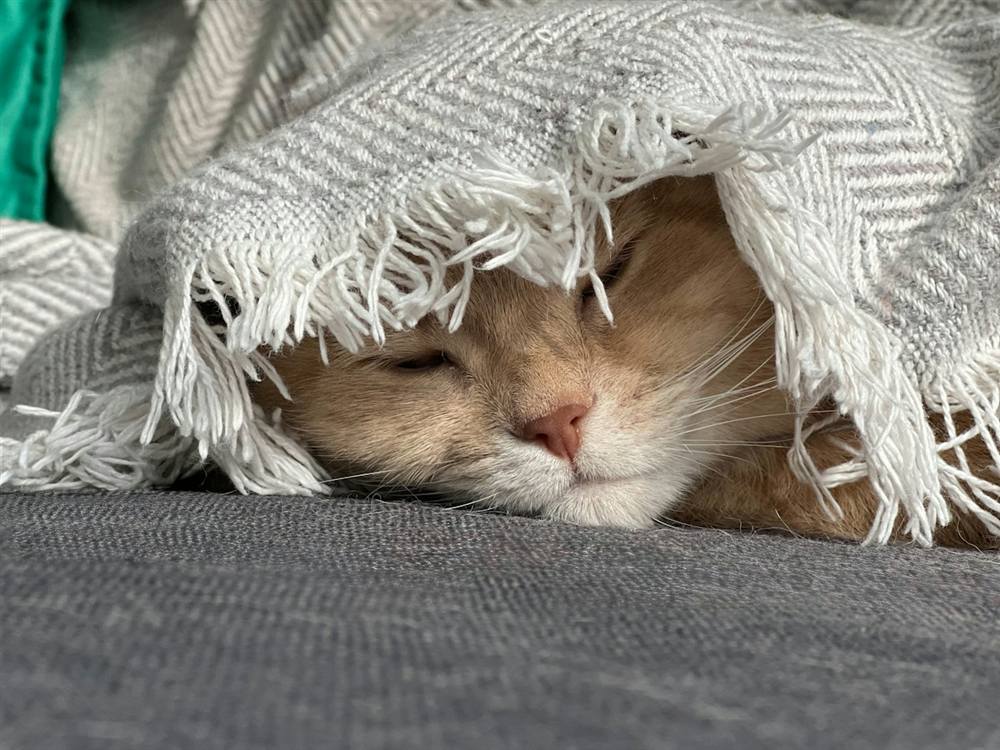
Gather notes and records
Write down your main questions, putting the most important first. Note when a change began, how often it happens and whether food, drinking, toileting or activity has changed. A short video of unusual movement or behaviour may help if it is safe to record.
Bring veterinary records, food details and a list of medicines or supplements your cat is already taking under veterinary direction. Do not stop or change them unless the clinic tells you to.
- Check the carrier, latches and bedding.
- Pack notes and medical records.
- Put questions in order of importance.
On the way and while waiting
Leave the carrier in a familiar place at home ahead of time and let your cat explore it voluntarily. Use familiar bedding. Secure the carrier in a car, or check public-transport rules before travelling. Do not open it in a hallway or outside.
If the waiting room is noisy, ask the clinic in advance whether you can wait somewhere quieter or call from your car. Keep your cat in the carrier until staff say it is safe to open the door. Do not tip your cat out.
- Tell the clinic about concerning signs when booking.
- Keep the carrier closed and near you.
- Give your cat time to look around in the exam room.
After the appointment
Ask the vet to explain the plan in plain language and what to do if your cat’s condition changes. Write down when to follow up and how to get in touch. If an instruction is unclear, call the clinic to confirm instead of guessing.
At home, put the carrier in a quiet place and let your cat come out on their own. Then give them time to rest in a familiar calm area.
SMALL STEPS OF CARE
What you can do
- Leave the carrier open well before the appointment.
- Write down signs, dates and questions for the vet.
- Bring medical records and details of prescribed medicines.
- Check transport rules and ask about quieter waiting if needed.
- Write down the clinic’s instructions and clarify anything unclear.
What to avoid
- Taking the carrier out for the first time just before leaving.
- Opening it in a hallway, vehicle or by a road.
- Tipping the cat out of the carrier.
- Changing the vet’s instructions without checking first.
CHECKING IS CARING
Sources and further reading
Sources checked November 2, 2026. The editorial team prepared this guide from public recommendations; it has not received individual veterinary review.
- 12 tips to make vet visits less stressful for your cat — Cats Protection ↗
- Travelling With Your Cat — Cats Protection ↗
Every cat has their own pace. Your attention makes a difference.
← Back to the guides