Moving changes a cat’s familiar smells, sounds and hiding places. Some cats explore right away; others need days or weeks. The pace of settling in does not measure how attached a cat is to people. It is safer to let them choose how close to come and gradually explore more of the home.
Prepare a small, quiet room before your cat arrives. Keep noise, visitors and attempts to pick them up to a minimum during those first hours.
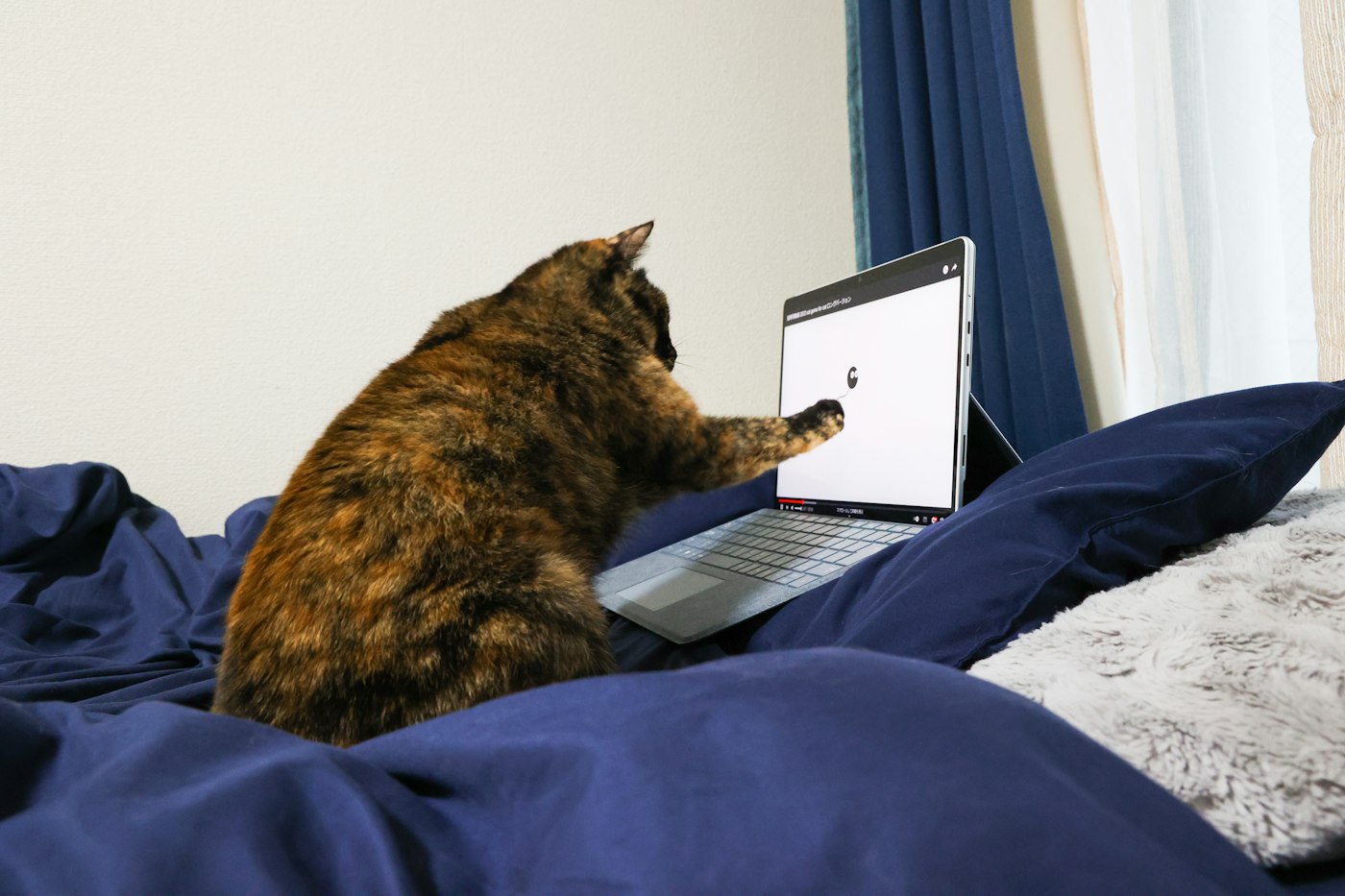
One safe room
Set up water, food, a litter tray, a bed, a scratching post and a hiding place. Keep bowls and the litter tray in separate areas of the room. Close windows and exterior doors, and remove cables, medicines and plants that may be unsafe for cats. Add familiar bedding or a toy that smells of home.
- Keep the route to the tray clear and calm.
- Provide a box or enclosed hiding place.
- Keep other pets and visitors out at first.
Let your cat start the introduction
Put down the carrier, open it and step away. Do not pull your cat out or block their way back inside. You can sit quietly nearby without asking for attention. Pet your cat only if they approach and remain relaxed.
Keep the familiar food and litter at first. Once your cat is confidently eating, resting and exploring the room, open access to another part of the home while keeping the familiar hiding place available.
- Move slowly and speak quietly.
- Show where the water and tray are without carrying the cat there.
- Introduce other animals gradually and with supervision.
Observe and get help
Notice whether your cat is eating, drinking and using the tray, and how their activity changes. If your cat remains very frightened, barely eats or shows other worrying changes, contact a veterinary clinic. For introductions to children or animals, prepare separate safe areas in advance.
SMALL STEPS OF CARE
What you can do
- Prepare a quiet room before arrival.
- Place food, water and the litter tray separately.
- Add familiar bedding and a hiding place.
- Open the carrier and let your cat come out on their own.
- Keep notes on appetite, drinking and toileting.
What to avoid
- Opening every room and inviting visitors right away.
- Pulling a cat out of the carrier or hiding place.
- Changing food and litter on moving day.
- Mistaking fear for a bad temperament.
CHECKING IS CARING
Sources and further reading
Sources checked November 2, 2026. The editorial team prepared this guide from public recommendations; it has not received individual veterinary review.
How we prepare our guides →Every cat has their own pace. Your attention makes a difference.
← Back to the guides