Cats with limited sight, hearing or mobility can find their own ways to navigate, play and communicate. Support should not take away their choices: make safe routes and familiar resources accessible.
Needs vary and may change over time. Discuss a care plan with a vet, especially if changes appear suddenly. Do not diagnose or start treatment based on advice from the internet.
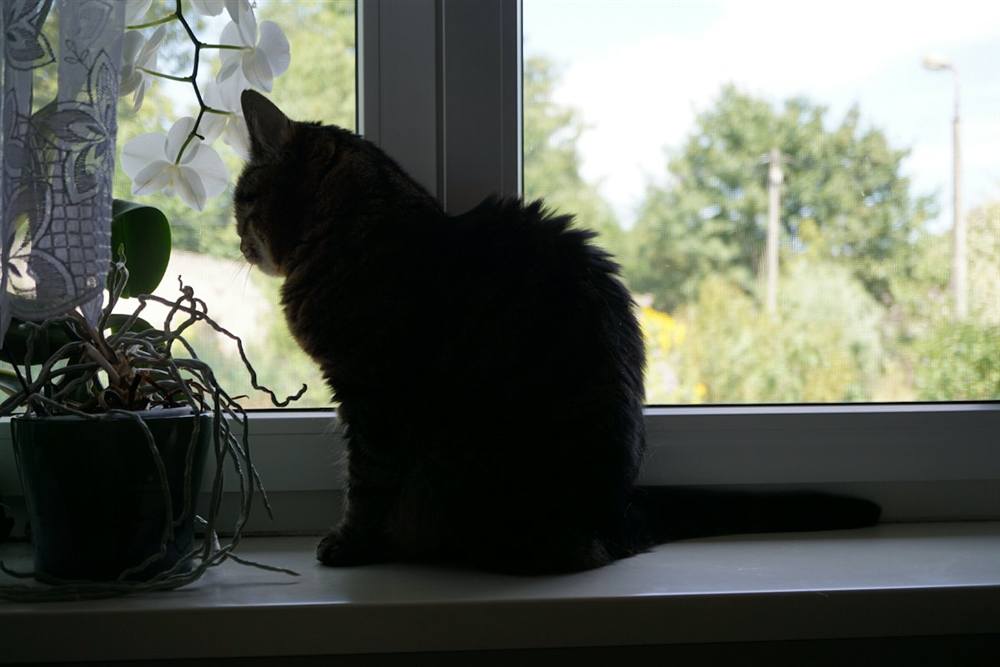
Keep the home easy to navigate
Keep bowls, the tray, bed and hiding places in familiar locations. Clear objects from routes and block unsafe stairs and windows. Let a cat with limited sight explore a safe room; speak calmly before approaching. Avoid moving furniture without warning.
A low-entry litter tray, non-slip path and stable gentle ramp can help a cat with limited mobility. Make sure they do not have to jump over a threshold to reach food or water.
- Keep familiar smells and belongings in their usual places.
- Clear routes and block unsafe areas.
- Choose a tray and bowls that suit your cat’s abilities.
Communication and activities
For a cat with hearing loss, use consistent visual signals and avoid sneaking up. Keep signals gentle and never shine light into the cat’s eyes. For a cat with limited sight, try familiar sounds or toys they can hear or smell, and keep a place to hide and rest.
Offer simple, safe play, but do not insist. Notice what your cat does independently and adapt the home around their habits.
- Let your cat approach you.
- Check toys for parts that could come loose.
- Give your cat the choice to play or rest.
Agree on support with a professional
Ask your veterinary team what changes at home would suit your cat. If a new difficulty appears, your cat falls, seems in pain or refuses food, call a clinic promptly. Bring notes and a short video to an appointment if it is safe to record one.
If you are considering adopting a cat with additional needs, discuss routines and costs with their current carer or rescue. Together, work out a realistic plan for daily care.
SMALL STEPS OF CARE
What you can do
- Keep bowls, the tray and hiding places in familiar spots.
- Clear obstacles from routes.
- Add steps, non-slip paths or a low-entry tray as needed.
- Choose a way to call and alert your cat.
- Discuss new changes with a vet.
What to avoid
- Moving belongings without giving your cat time to adjust.
- Lifting your cat somewhere they cannot easily get down from.
- Diagnosing from a single sign.
- Insisting on contact when your cat moves away.
CHECKING IS CARING
Sources and further reading
Sources checked November 2, 2026. The editorial team prepared this guide from public recommendations; it has not received individual veterinary review.
How we prepare our guides →Every cat has their own pace. Your attention makes a difference.
← Back to the guides