Moving changes a cat’s familiar smells, sounds, and routes. Choose a quiet room in both the old and new homes in advance, so your cat is not among open doors, boxes, and unfamiliar people.
Plan around this individual cat’s response. Ask a veterinarian about the journey if your cat has particular needs.
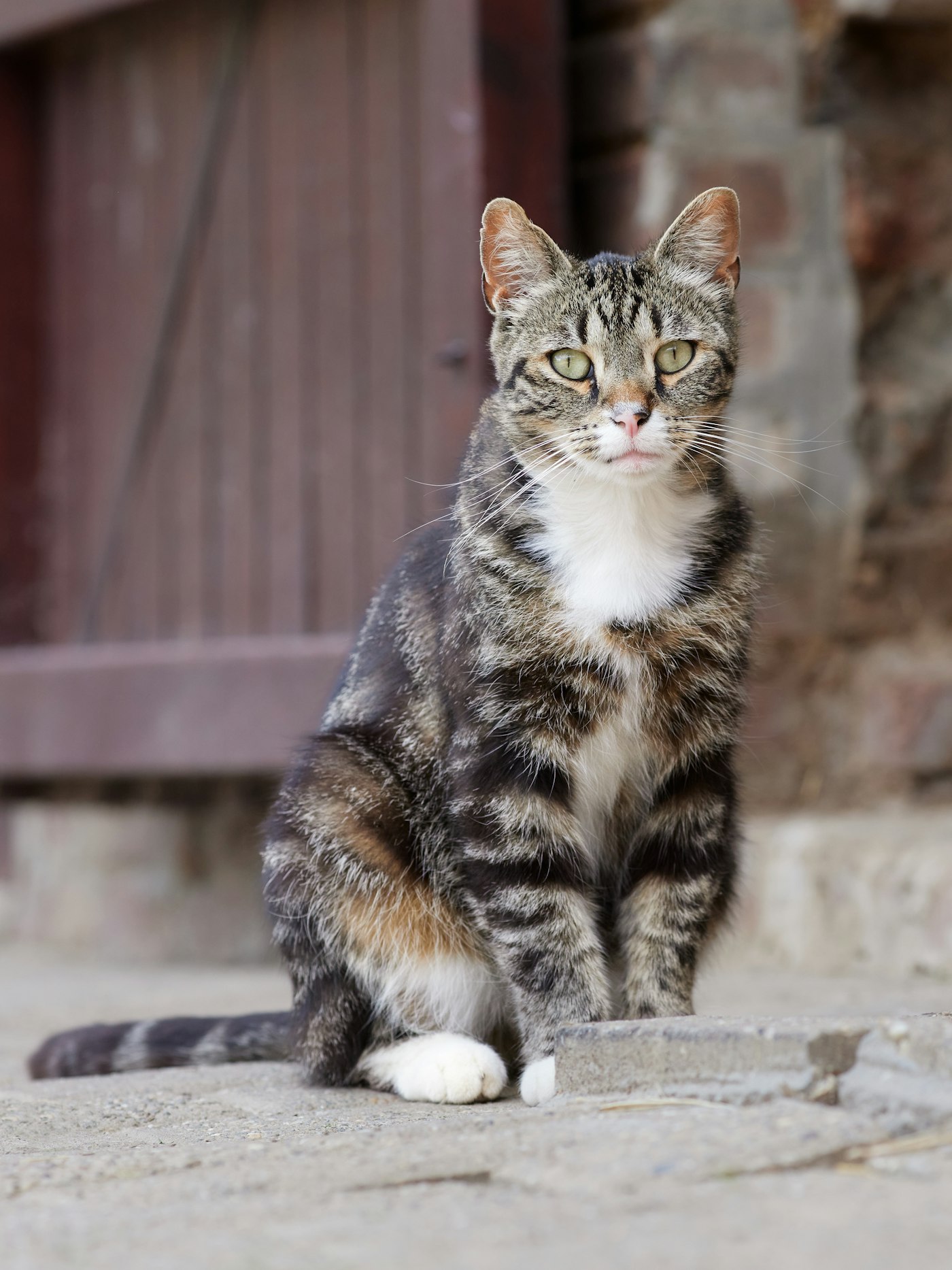
Prepare the room early
Leave familiar bedding, a litter tray, water, food, a scratching post, a carrier, and a hiding place in the room. Give your cat time to explore it before moving day. While belongings are being carried out, tell everyone involved to keep the door closed.
Leave the carrier open in a familiar place so your cat can go inside voluntarily. Do not transport a cat loose in a vehicle.
On moving day and after arrival
Check the room before removal staff open the doors. Transport your cat away from the commotion in a secure carrier and settle them in the prepared room at the new home. Keep outside windows and doors closed while they adjust.
Keep familiar belongings and routines. Let your cat explore the rest of the home when they are using their resources calmly and showing interest. Keep the safe room available as a retreat.
Update records and outdoor access
Check that contact details in the microchip registry are current, and ask your new clinic how to transfer veterinary records. Keep the carrier and documents somewhere easy to find.
A cat who goes outdoors needs time to settle in the new home. Do not let them out immediately after the move; ask a local veterinarian about a safe timeline and make sure identification and the route back inside are working.
SMALL STEPS OF CARE
What you can do
- Choose a quiet room in both homes
- Prepare familiar items, litter, water, and a hiding place
- Protect your cat from open doors during loading
- Let them settle in one room first at the new home
- Update microchip details and transfer veterinary records
What to avoid
- Letting a cat roam among open doors during the move
- Opening the whole new home and outdoors immediately
- Forgetting to update the registry address and contacts
CHECKING IS CARING
Sources and further reading
Sources checked November 2, 2026. The editorial team prepared this guide from public recommendations; it has not received individual veterinary review.
How we prepare our guides →Every cat has their own pace. Your attention makes a difference.
← Back to the guides