Some cats enjoy protected outdoor access; others are more comfortable watching from home. A harness walk is not a requirement and can frighten a cat, especially if they cannot get away from a dog, noise, or unfamiliar place.
If you decide to try, follow your cat’s voluntary interest and be ready to stop.
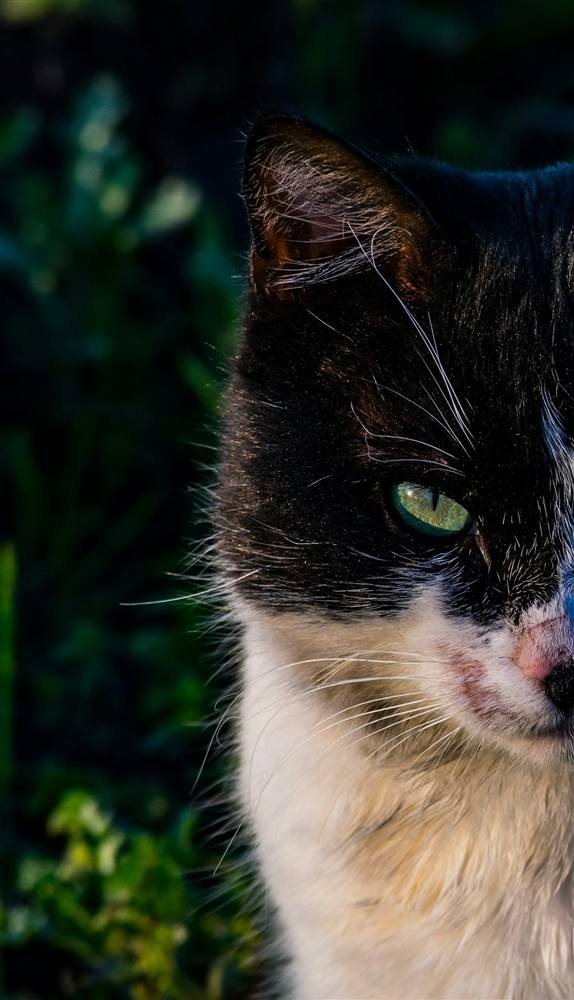
Consider the idea first
Think about offering a secure enclosure or window observation instead. Choose a quiet place without traffic, dogs, or crowds, where you can return indoors immediately.
Do not put a harness on a cat who freezes, hides, or tries to escape. A refusal is meaningful communication, not a reason to tighten the straps.
Introduce it gradually indoors
Choose a harness made for cats and check its fit according to the manufacturer’s instructions. First place it nearby and let your cat sniff it; later, briefly touch their back and reward calm behavior.
If your cat stays relaxed, put the harness on for a short period indoors. Never leave it on unsupervised and do not attach a leash to a collar. Stop if your cat resists.
If you go outside
Keep the first outing short and close to a safe entrance. Do not pull your cat with the leash or pick them up in an unfamiliar setting. Bring a secure carrier so you can return home without chasing.
Watch your cat’s behavior and be ready to end the walk. Check local rules and discuss preparation for this individual cat with a veterinarian before trying a new activity.
SMALL STEPS OF CARE
What you can do
- Consider a secure yard or home enclosure first
- Choose a quiet area without immediate hazards
- Introduce a cat-specific harness gradually indoors
- Bring a secure carrier as a backup route home
- Stop immediately if your cat wants to leave
What to avoid
- Treating walks as necessary for every cat
- Pulling a leash or forcing a cat to walk
- Leaving a harness on without supervision
CHECKING IS CARING
Sources and further reading
Sources checked November 2, 2026. The editorial team prepared this guide from public recommendations; it has not received individual veterinary review.
How we prepare our guides →Every cat has their own pace. Your attention makes a difference.
← Back to the guides