Breed descriptions sometimes mention appearance and broad behaviour tendencies, but they cannot guarantee that an individual cat will be affectionate, active or comfortable with noise. Research has found possible differences between groups of cats, but results depend on sampling and assessment methods. To choose a pet, learn about their individual preferences and living situation.
Personality develops under the influence of many factors: inheritance, early experiences, socialisation, age, health and current surroundings. Two cats of the same breed may respond differently to touch, games, visitors and other cats. Neither is ‘wrong’.
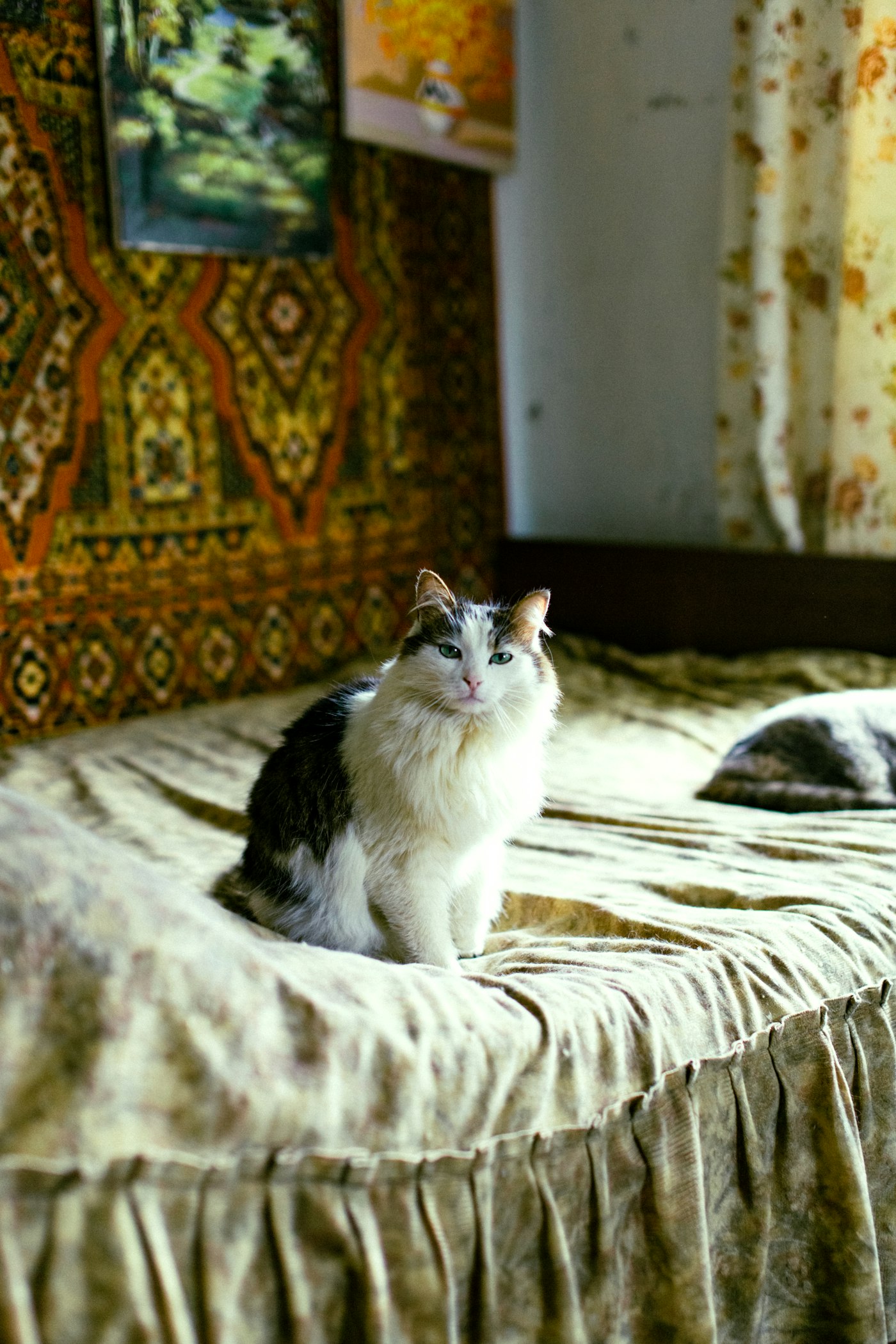
Treat breed descriptions as general guidance
Selective breeding can affect physical traits and some inherited characteristics. If you are considering a pedigree cat, find reliable information about their needs and possible health risks. Descriptions such as ‘sociable’ or ‘calm’ refer to a possible tendency, not a promise about every kitten.
Scientific studies compare groups rather than predict an individual cat’s future. One survey asked owners of thousands of cats across different breeds about behaviour and found differences in several traits, while accounting for some environmental factors. The authors also noted that evidence for many breed comparisons is limited and needs further study.
- Check which traits and groups the source actually discusses.
- Separate appearance descriptions from care and health information.
- Do not promise a child or family a particular personality based on breed.
Get to know the individual cat
Ask a previous owner, rescue or responsible breeder what the cat enjoys, how they ask for contact and what they avoid. If possible, observe them calmly: do they approach people, prefer to play at a distance, or look for a hiding place when there is noise? Do not test their tolerance by grabbing them or assume that shyness at one meeting means they will never socialise.
An adult cat already shows many established habits that people can ask about. A kitten’s behaviour may change as they mature. Also consider whether the cat’s energy, coat-care needs and resting-space preferences fit your household.
Match the environment to needs, not stereotypes
Regardless of breed, every cat needs safe places, opportunities to play and rest, and calm access to their resources. Choose care based on the individual animal’s response rather than comparing them with an ideal from an advert. If familiar behaviour changes suddenly, contact a vet: breed does not automatically explain a new behaviour.
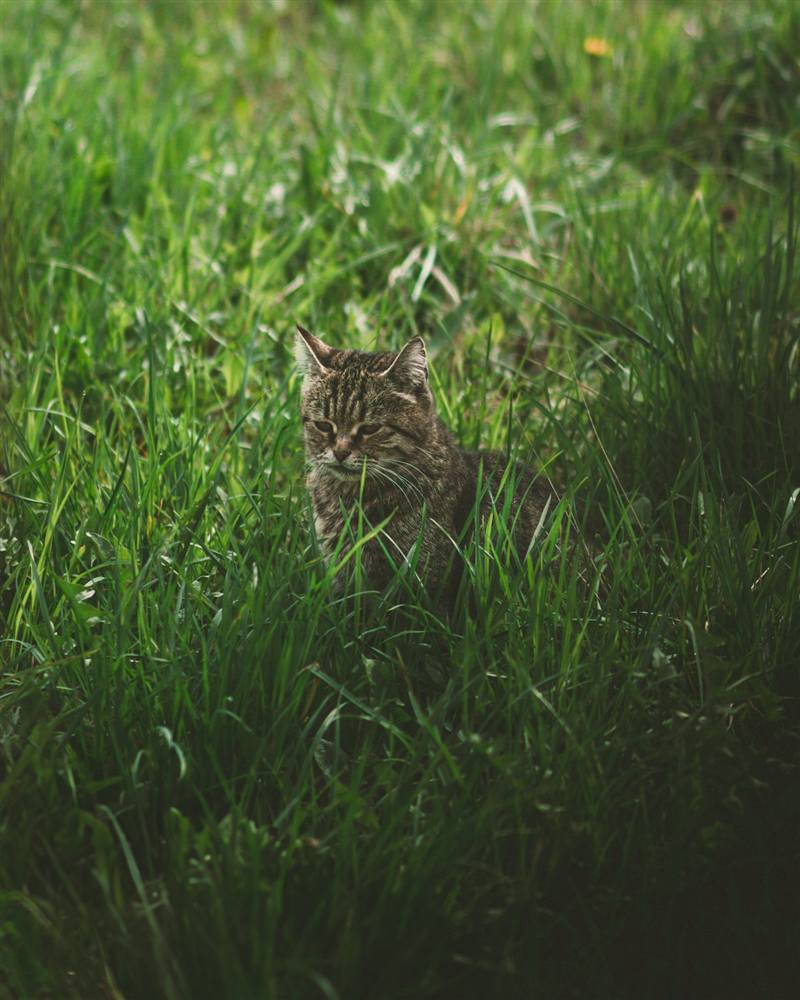
SMALL STEPS OF CARE
What you can do
- Ask about this cat’s personality and daily habits.
- Check coat-care needs and possible inherited breed risks.
- Match the cat’s activity level to your household routine and resources.
- Give a new cat time to show preferences after moving in.
- Do not explain a sudden behaviour change with a breed stereotype.
What to avoid
- Guaranteeing a temperament based on breed or coat colour.
- Calling a shy cat unfriendly after one brief meeting.
- Ignoring individual needs to fit an expectation.
CHECKING IS CARING
Sources and further reading
Sources checked November 2, 2026. The editorial team prepared this guide from public recommendations; it has not received individual veterinary review.
- Choosing the Right Cat For You — Cats Protection ↗
- Breed differences of heritable behaviour traits in cats — Scientific Reports / PubMed Central ↗
Every cat has their own pace. Your attention makes a difference.
← Back to the guides