In winter, cats who go outdoors need a reliable way back inside and a dry shelter. Weather can change quickly, so check in advance that a flap is not frozen, a familiar entrance is not blocked, and your cat has a warm place to rest.
Indoor cats should also have cozy resting options away from drafts and open fires.
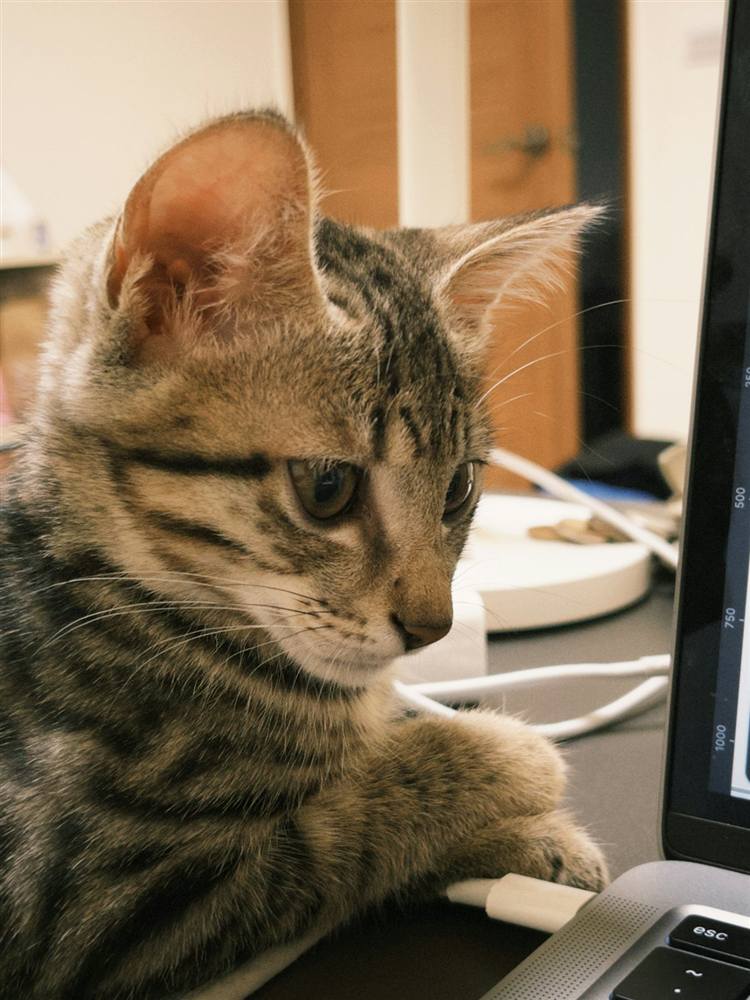
Make the way indoors reliable
Check the cat flap after snow or ice and keep fresh water available indoors. If your cat cannot use the flap, arrange another safe way in and consider an indoor litter tray.
Check sheds, garages, and outbuildings before closing them; a cat may have hidden inside. An outdoor shelter should be dry and protected from wind without trapping the cat there.
Remove seasonal hazards
Store antifreeze, de-icing products, and other vehicle chemicals in a closed place that cats cannot reach. After an outing, check paws and fur; if your cat dislikes handling, do not hold them down.
Before starting a vehicle, check beneath the bonnet and around the wheels: cats may seek warmth there. Do not leave a cat sleeping near an open fireplace or stove without a guard.
Adjust the daily routine
Offer more short indoor play sessions and warm beds in quiet places. Older cats or cats with limited mobility may find familiar resting spots and litter trays easier to reach without jumps or slippery steps.
There is no single temperature or outing duration that suits every cat. Comfort depends on the individual, coat, health, and weather. Ask a veterinarian if you are unsure how to adapt your cat’s usual routine.
SMALL STEPS OF CARE
What you can do
- Check the flap and indoor water after snowfall
- Prepare a dry shelter and warm place indoors
- Inspect sheds before closing them
- Store antifreeze and de-icers securely
- Provide an accessible litter tray and indoor play
What to avoid
- Leaving a cat outside because a flap is frozen
- Keeping chemicals where a cat can reach them
- Assuming every cat tolerates cold in the same way
CHECKING IS CARING
Sources and further reading
Sources checked November 2, 2026. The editorial team prepared this guide from public recommendations; it has not received individual veterinary review.
How we prepare our guides →Every cat has their own pace. Your attention makes a difference.
← Back to the guides