Cats explore with their noses, paws and teeth, and many everyday objects can be dangerous to them. Prevention starts with a quick room-by-room check at floor level and a habit of checking appliances before switching them on. Create safe places for rest and play so curiosity has a suitable outlet.
If you suspect contact with a hazardous substance or an injury, call a veterinary clinic immediately and explain what may have happened.
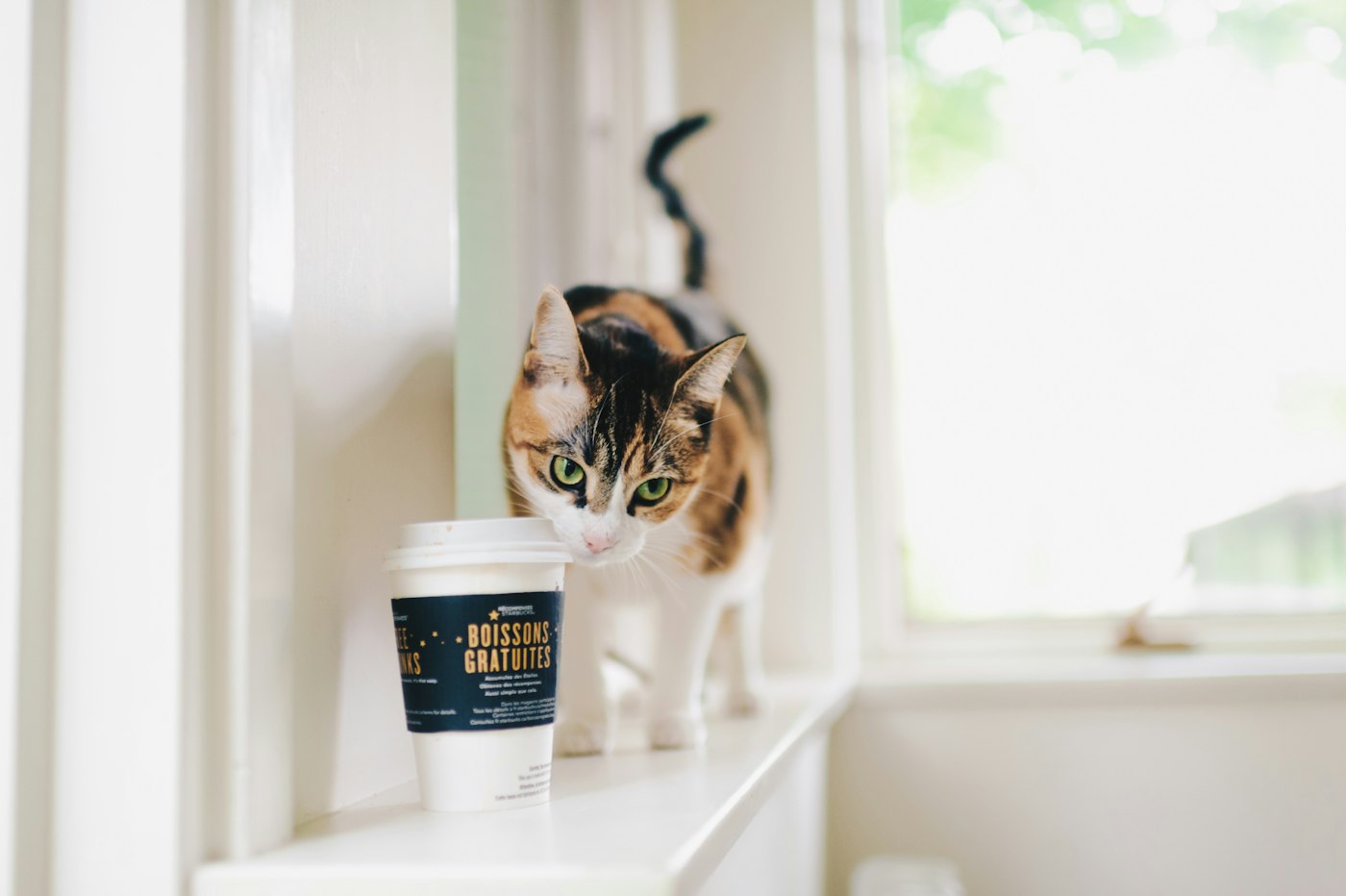
Windows, doors and high places
Check that windows cannot open in a way that lets a cat fall or become trapped. An ordinary insect screen may not hold a cat’s weight: choose secure protection designed for cats. A balcony is safe only when it has a secure barrier with no gaps.
Look inside the washer and dryer before closing them. Watch for hot surfaces, open flames and small spaces where a cat could get stuck.
- Secure hazardous windows and balconies.
- Check appliances before switching them on.
- Check doors and cupboards close securely.
Small objects, cables and plants
Put away thread, elastic bands, needles, ribbons, small parts and medicines. Secure cables so your cat cannot chew them. Do not leave string toys unattended if your cat may chew or swallow them.
Check houseplants and bouquets against a reliable veterinary source; do not bring lilies into the home unless you have confirmed they are safe. Store household cleaners and pest products securely and use them according to their labels.
- Choose toys made for cats.
- Secure cleaning products and medicines.
- Check plants using a reliable source or ask your clinic.
A plan for an accident
Save your veterinary clinic’s number and find out whom to call outside its opening hours. If your cat chews a plant, gets a product on their coat or swallows an object, do not induce vomiting or try home treatment. Move your cat away from the hazard, keep the product label or name and call a professional.
SMALL STEPS OF CARE
What you can do
- Check open windows, vents and balconies.
- Put away small objects, medicines and household cleaners.
- Check plants and bouquets for cat safety.
- Look inside the washer before starting it.
- Save your veterinary clinic’s contact details.
What to avoid
- Treating an insect screen as secure fall protection.
- Leaving cables, thread or ribbons out as toys.
- Trying home treatment after possible toxin exposure.
CHECKING IS CARING
Sources and further reading
Sources checked November 2, 2026. The editorial team prepared this guide from public recommendations; it has not received individual veterinary review.
How we prepare our guides →Every cat has their own pace. Your attention makes a difference.
← Back to the guides