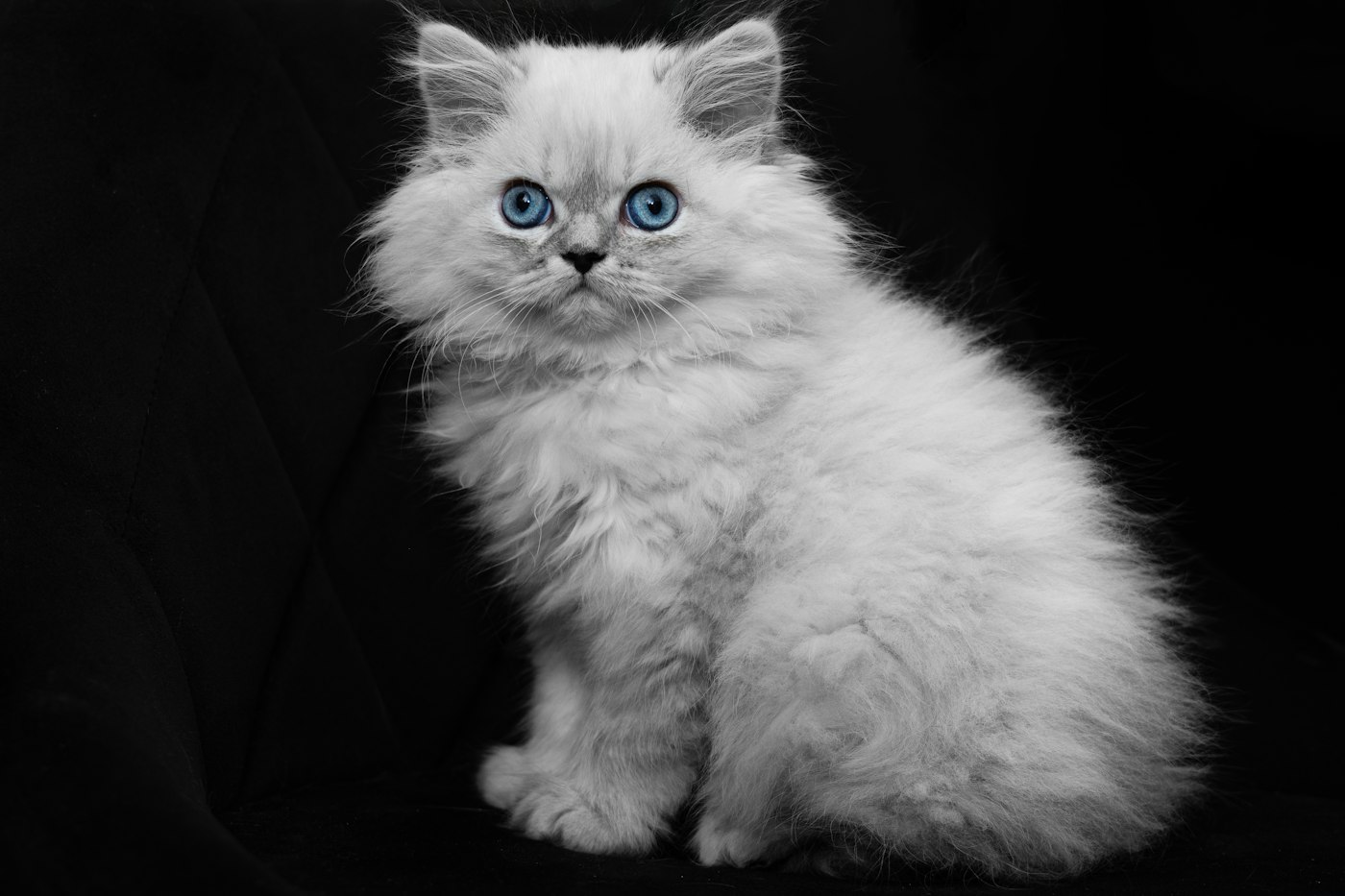
The Ragdoll is a large cat with blue eyes and a distinctive colorpoint pattern; its coat is medium-long and soft-looking. Breed appearance is recognizable, but temperament is individual. The name and familiar stories about an easygoing nature do not mean a cat can be handled without consent or left without activities.
Companionship without assumptions
Find out whether this cat likes sitting nearby, playing, resting in a hiding place, or asking for attention on their own terms. Let the cat approach and leave; do not roll them onto their back or hold them for a photograph. Pair companionship with a scratching post, daily play, and sturdy elevated spots. If children or other pets are at home, plan a safe, gradual introduction.
A large cat benefits from a roomy carrier and stable beds that are easy to reach. Watch the cat’s movement and comfort, and discuss changes with a veterinarian. When choosing a companion, consider their actual habits rather than a general breed description.
Coat and everyday care
CFA describes the Ragdoll coat as medium-long and relatively easy to care for, but it still needs regular checks and gentle brushing. Pay particular attention to the underarms, belly, and behind the ears, where tangles can form. Start with short sessions and stop if the cat becomes tense. Mats close to the skin are safer to show to a veterinarian or experienced groomer.
Maintain routine care for claws, teeth, and ears, introducing checks gradually. Provide water, a clean litter box, and the option to retreat. Neither long fur nor a breed’s coat pattern makes a cat hypoallergenic: people’s reactions vary, and no one can promise that allergies will not occur.
Heart health and questions before adoption
Hypertrophic cardiomyopathy is reported more often in some breeds, including Ragdolls. This is a statistical risk, not a diagnosis; a veterinarian evaluates the individual cat and may recommend a heart examination. Request medical records and ask what examinations and genetic tests the parents received. Ask for copies and discuss their meaning with your veterinarian: a single result cannot provide a complete guarantee.
At a shelter, ask about known health concerns, tolerance of brushing, activity, and response to household sounds. A breeder should let you see the living conditions, provide examination records, and discuss support after the move. Do not rush or choose solely by size, coat pattern, or promises of a calm temperament.
SMALL STEPS OF CARE
What you can do
- Check the cat’s habits and comfort with handling
- Prepare a roomy carrier and sturdy resting places
- Check and gently brush the coat regularly
- Ask about family health history and heart-screening results
- Discuss available records with a veterinarian
What to avoid
- Assuming every Ragdoll will calmly lie in someone’s arms
- Skipping coat care because the breed is described as easy to groom
- Treating screening or a pedigree as a health guarantee
CHECKING IS CARING
Sources and further reading
Sources checked November 2, 2026. The editorial team prepared this guide from public recommendations; it has not received individual veterinary review.
How we prepare our guides →Every cat has their own pace. Your attention makes a difference.
← Back to the guides