The Devon Rex is a small-to-medium cat with large ears, expressive eyes, and a short wavy coat. Its unusual coat calls for gentle handling; it is not a promise of freedom from allergies. Breed descriptions often emphasize curiosity and sociability, but the personality of an individual cat may differ.
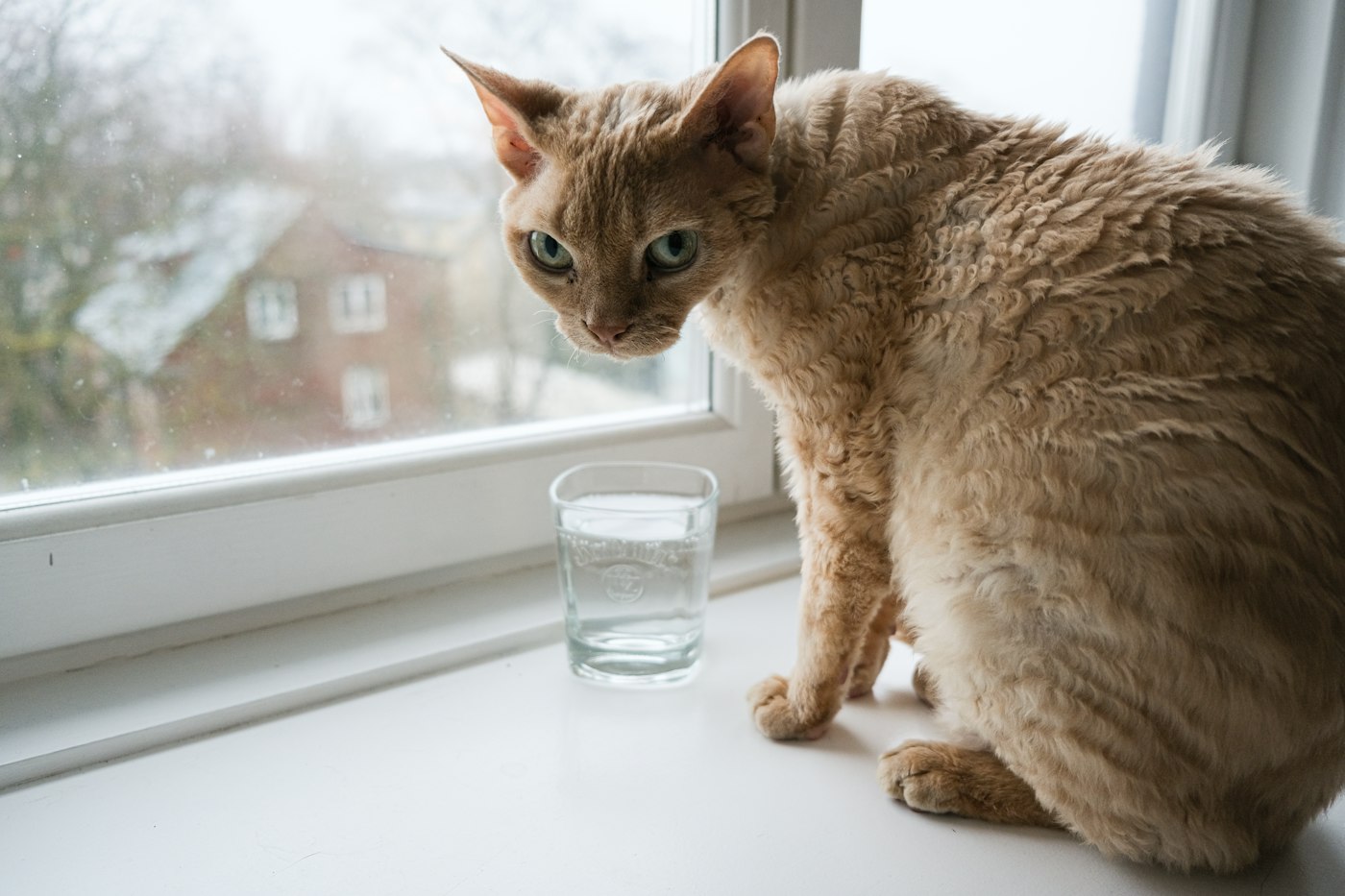
Companionship and the home
TICA describes Devon Rex cats as active and people-oriented; that can offer a clue to possible needs, not a guarantee. Ask how much this cat plays, how they manage time alone, and where they like to rest. Plan short play sessions, a scratching post, and sturdy, accessible elevated places. Check cupboards and high shelves: a curious cat may explore them.
Even a very social cat needs a quiet hiding place and the right to end an interaction. Do not let children carry them without support or wake them for play. If the home is empty for long periods, ask the shelter or breeder how this individual cat manages alone and what activities help.
Coat and skin care
The short, wavy coat can be sparse and delicate; use a very soft brush and groom only as often as the cat needs. Check the skin, ears, and claws. If irritation, bald patches, or discomfort appear, consult a veterinarian rather than choosing products yourself. Avoid frequent bathing or cosmetics unless a professional recommends them.
Some people’s reactions to cats depend on individual sensitivity, not simply coat length. A Devon Rex should not be treated as hypoallergenic; a prior visit may provide only limited insight and cannot guarantee that symptoms will not arise later. Maintain routine dental and claw care and check that the cat can jump and rest comfortably.
Screening and questions before choosing
TICA recommends asking about genetic testing for available markers, including Devon myopathy, and about screening parents for hypertrophic cardiomyopathy. These are preventive questions, not evidence that a cat is ill. Request copies of test results and examination records; a veterinarian can explain what they do and do not show and what monitoring suits the individual cat.
When meeting a cat, ask about food, habits, companionship, ear care, and past veterinary visits. A responsible breeder should be able to discuss the parents’ health and living conditions calmly; a shelter may share known traits of the individual cat. Do not treat claims of being allergy-free or of guaranteed temperament as medical facts.
SMALL STEPS OF CARE
What you can do
- Ask how much companionship and play this cat needs
- Prepare safe elevated places, a scratching post, and a quiet retreat
- Choose gentle coat care and check the skin
- Request available test and screening results for the parents
- Review records and preventive care with a veterinarian
What to avoid
- Treating a Devon Rex as hypoallergenic or promising no reaction
- Brushing the delicate coat roughly or bathing often without advice
- Assuming sociability is guaranteed and overlooking the need to retreat
CHECKING IS CARING
Sources and further reading
Sources checked November 2, 2026. The editorial team prepared this guide from public recommendations; it has not received individual veterinary review.
How we prepare our guides →Every cat has their own pace. Your attention makes a difference.
← Back to the guides